
By Graeme Salt
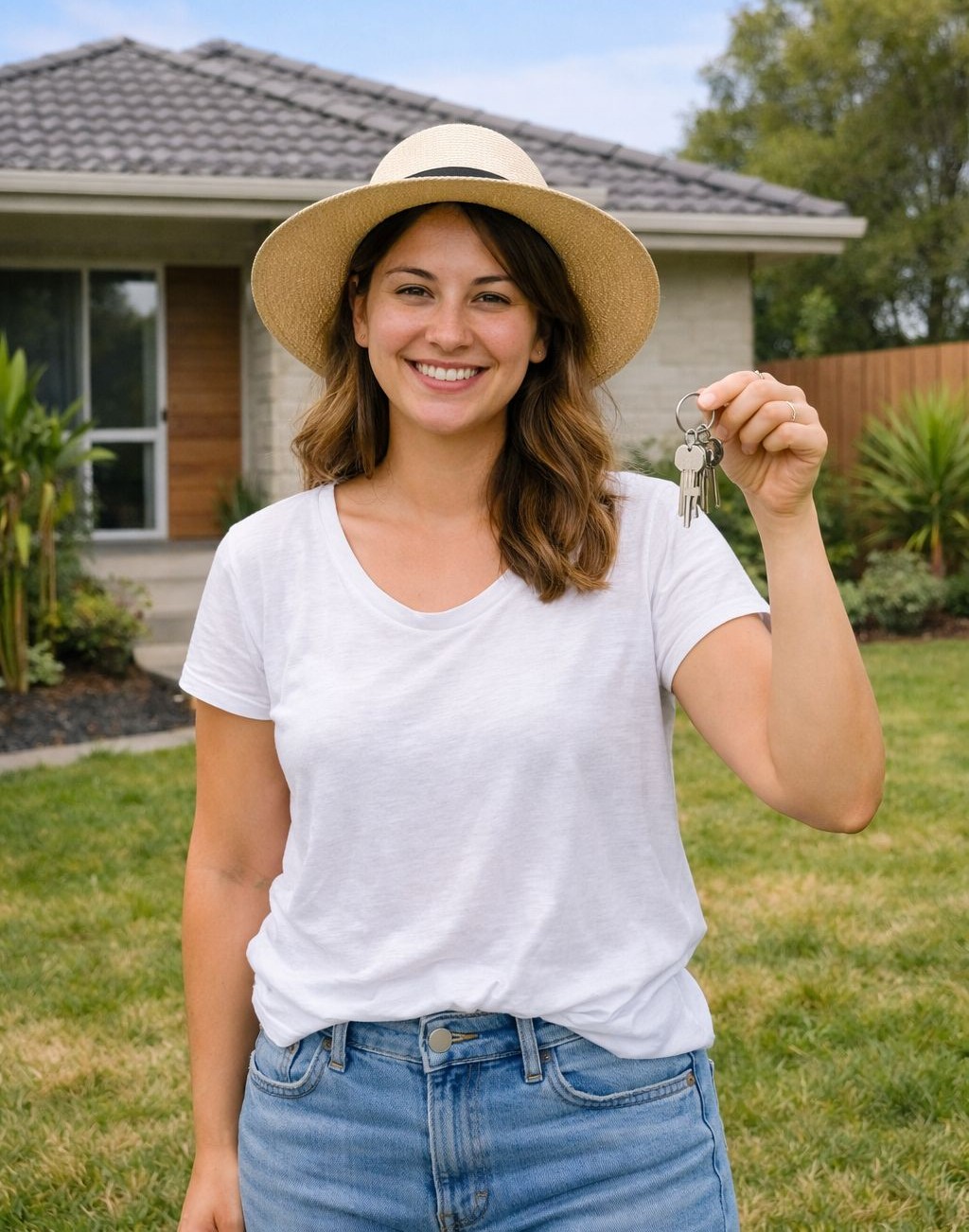
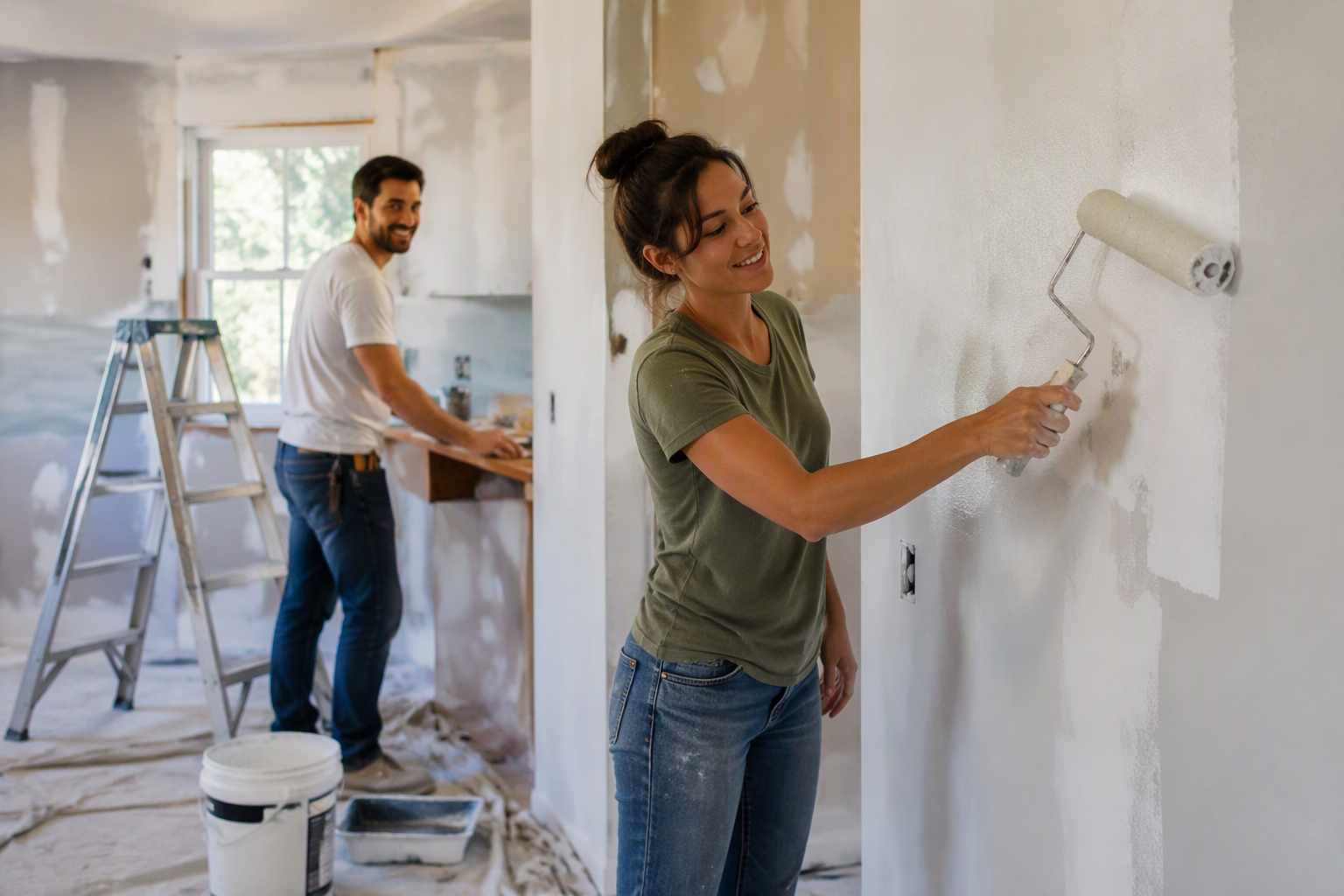
Young Australians are resorting to complex methods to buy their own homes.
That is the conclusion of new research from the University of Adelaide.
It found that almost half of young people followed disrupted housing pathways, moving repeatedly between renting, homeownership and, in some cases, back to the family home.
In the past, the expected housing pathway was relatively simple.
- 1950s and 1960s Young people stayed in family home till they got married and bought a place together
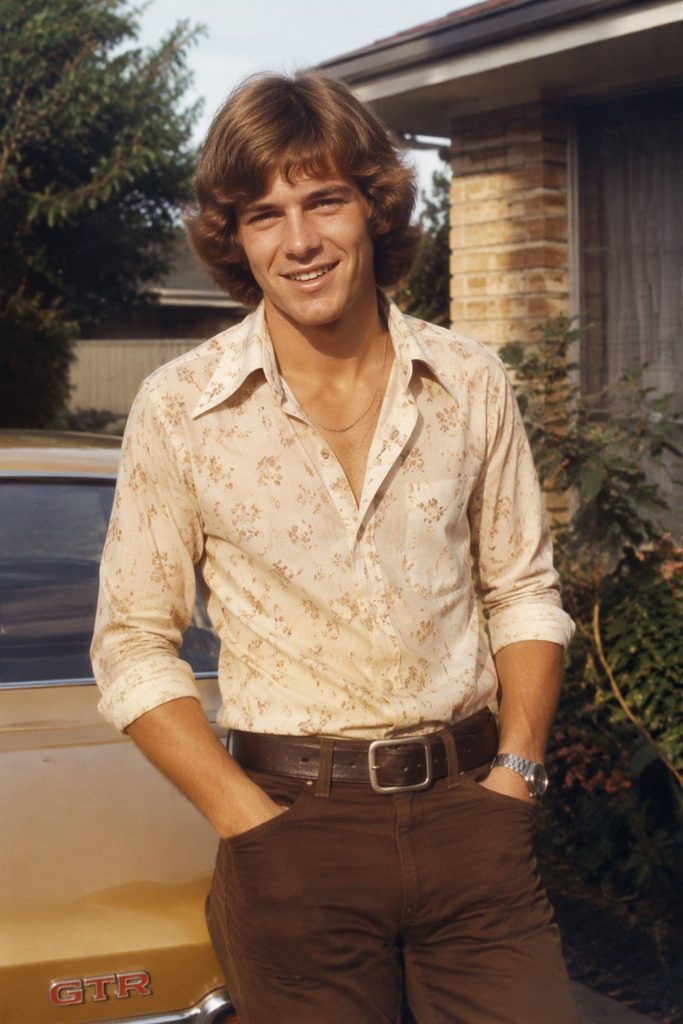
- 1970s and 1980s They left the family home, rented for a few years, bought a home and gradually paid off their mortgage.
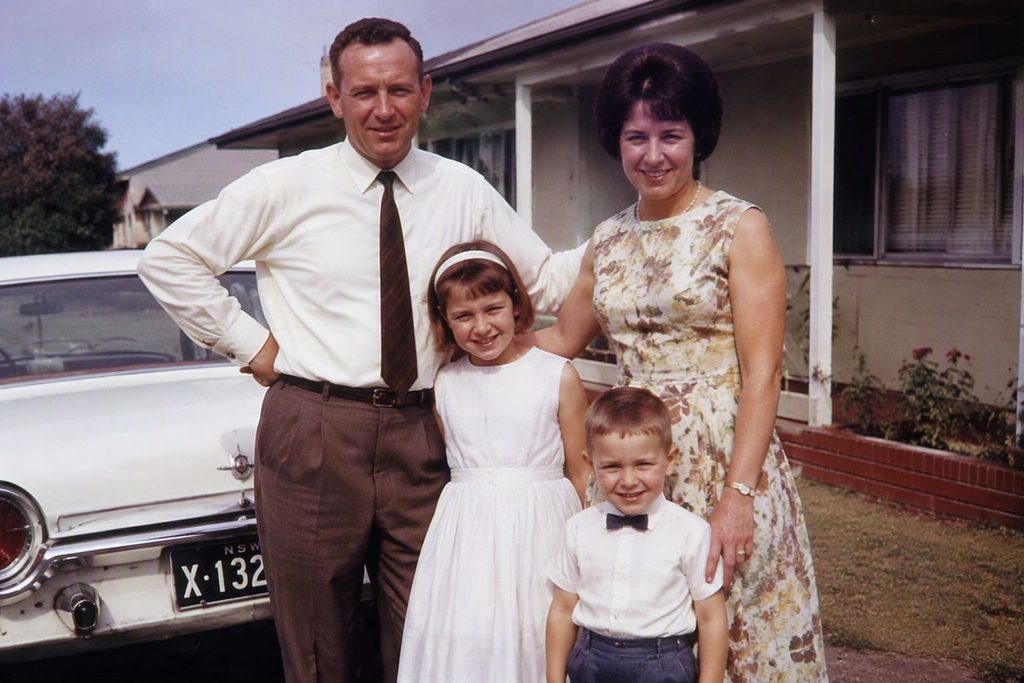
This “Great Australian Dream” came to shape how many Australians thought about adulthood, financial security and the future.
But today’s younger generation faces disjointed journeys along the property ladder; many of them are dependent on factors external to the housing system.
Price is one obvious factor. As a recent Sydney Morning Herald feature story showed, if prices had simply kept pace with inflation since 1996, the median house price in Sydney today would be about $465,000. Instead, it’s now $1.79 million.
This has changed. Australians are renting for longer, relying more heavily on the “bank of mum and dad”, or never entering homeownership at all.
Family resources and labour market opportunities strongly influence who is able to follow pathways into homeownership, and who remains in long-term renting.
- 22 per cent followed the traditional pathway of moving out of the family home, then renting, before buying a home.
- 12 per cent moved directly into home purchase,
- 13 per cent entered renting and remained there throughout the study period of two decades
But almost half (46 per cent) followed a very different path over the study, moving in and out of renting, home ownership and back to the family home.
How hard it is for the younger generation shows up in census data with 55 per cent of Millennials (25–39-year-olds) homeowners, whereas 62 per cent of Generation X were homeowners at that age. And it was even more straight-forward for Baby Boomers (66 per cent).
These figures have profound implications for the younger generation’s long-term financial health; without home equity, often they lack the resources to withstand economic shocks.
The research showed that people with their own home had been able to build a buffer of several hundreds of thousands of dollars which gave them a buffer to cope with crises such as unemployment, illness or relationship breakdown.
And as Professor Richard Holden of UNSW said, “If people think that they’re never going to own a home, never going to be able to build wealth, it’s a very human, natural reaction to say, ‘Well, I may as well enjoy myself.’”
So, how can young people get on the property ladder:
There’s now a raft of government initiatives to help first home buyers.
The First Home Guarantee
- It allows eligible buyers to purchase a home with as little as 5% deposit and no Lenders Mortgage Insurance (LMI)
Family Home Guarantee – Helping Single Parents
- allows single parents or guardians with at least one dependent home purchase with just 2% deposit and no LMI
Stamp Duty Exemptions and Concessions
- can save buyers $10-$30,000, instantly reducing the funds needed at settlement
Help to Buy (Shared Equity Scheme):
- the Government can contribute up to 40 per cent for new homes and 30 per cent for existing homes, reducing mortgage size
First Home Super Saver Scheme (FHSS):
- you can save for a deposit inside your super fund with concessional tax benefits, potentially boosting your savings significantly.
And the banks understand how hard it is for the younger generation.
- Many have specific first-home buyer schemes which allow family members to be a guarantor
- Some also have special loans to help people buy a home with a mate
If you want to know more about how, a family member or friend can buy a home, please get in contact for a chat.
Graeme Salt is an award-winning mortgage broker. For a no-obligations consultation on your home loan needs, please contact him on 02 9922 5055.
Details of the research from the University of Adelaide can be found here.